
2026-08-31 · Christopher Davis
What Phoenix Residents Need To Know About Insurance Claims For Flood Damage
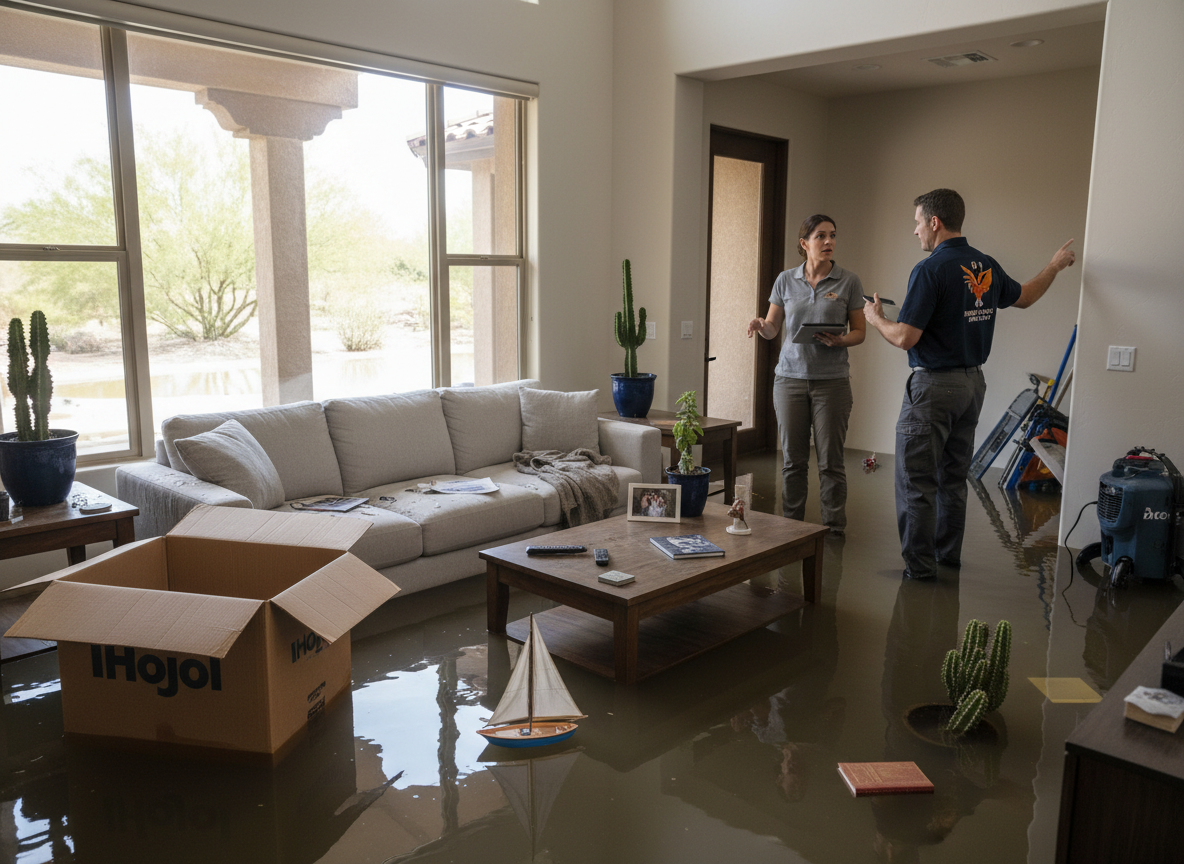
Phoenix residents should notify their insurer within 24 hours of discovering flood damage, photograph every affected area before any cleanup begins, and retain all receipts for temporary repairs to strengthen the claim from the outset.
Reviewing Policy Language for Exclusions
Standard homeowners policies in Maricopa County exclude flood and sewer backup events, leaving many Arcadia and Biltmore residents responsible for costs unless they carry separate flood coverage through the National Flood Insurance Program. Homeowners in older stock built before 1980 often discover that surface water from monsoon runoff or rising groundwater is not covered, while sudden pipe bursts may receive partial reimbursement. Review the declarations page for sublimits on water damage and note whether your policy requires proof that damage originated inside the structure. Residents in Ahwatukee and South Mountain frequently face denials when adjusters classify monsoon-related intrusion as surface water rather than covered peril.
Documenting Damage in Desert Conditions
Photograph standing water, saturated drywall, and affected personal property from multiple angles with timestamps before any extraction occurs. In Phoenix heat, materials dry quickly on the surface while moisture remains trapped behind stucco or in slab foundations common to Maryvale and Camelback East homes, so include moisture meter readings taken by a restoration technician. Keep a written log of every conversation with the adjuster, including date, time, and agreed next steps. Store copies of all estimates and invoices in a cloud folder so they remain accessible if original documents are lost during cleanup. Flood damage cleanup teams serving Tempe and Mesa routinely supply these readings to support claims.
Handling Adjuster Visits and Disputes
Schedule the adjuster inspection promptly and walk through every room while pointing out hidden moisture in areas such as Papago Park-adjacent properties where grading directs runoff toward foundations. If the initial offer appears low, request a supplemental inspection rather than accepting the first valuation, especially when sewage backup is involved in South Mountain homes. Provide the adjuster with before-and-after photos from structural drying & dehumidification work to demonstrate that additional hidden damage was uncovered after initial drying. Many Scottsdale and Mesa claims require a second visit once drywall is removed and framing is exposed.
Next Steps After Claim Approval
Once coverage is confirmed, coordinate extraction and drying within the first 48 hours to limit secondary mold growth accelerated by Phoenix humidity spikes during monsoon season. Homeowners in Biltmore and Arcadia often schedule follow-up inspections 30 days later to verify that moisture levels in concrete slabs have returned to acceptable ranges. Track all out-of-pocket expenses against the claim settlement and request a final scope of work in writing before repairs begin. For continued reading on desert-specific water issues, see local considerations for water damage in desert homes.