2026-08-31 · Christopher Davis
Local Considerations For Water Damage In Desert Homes
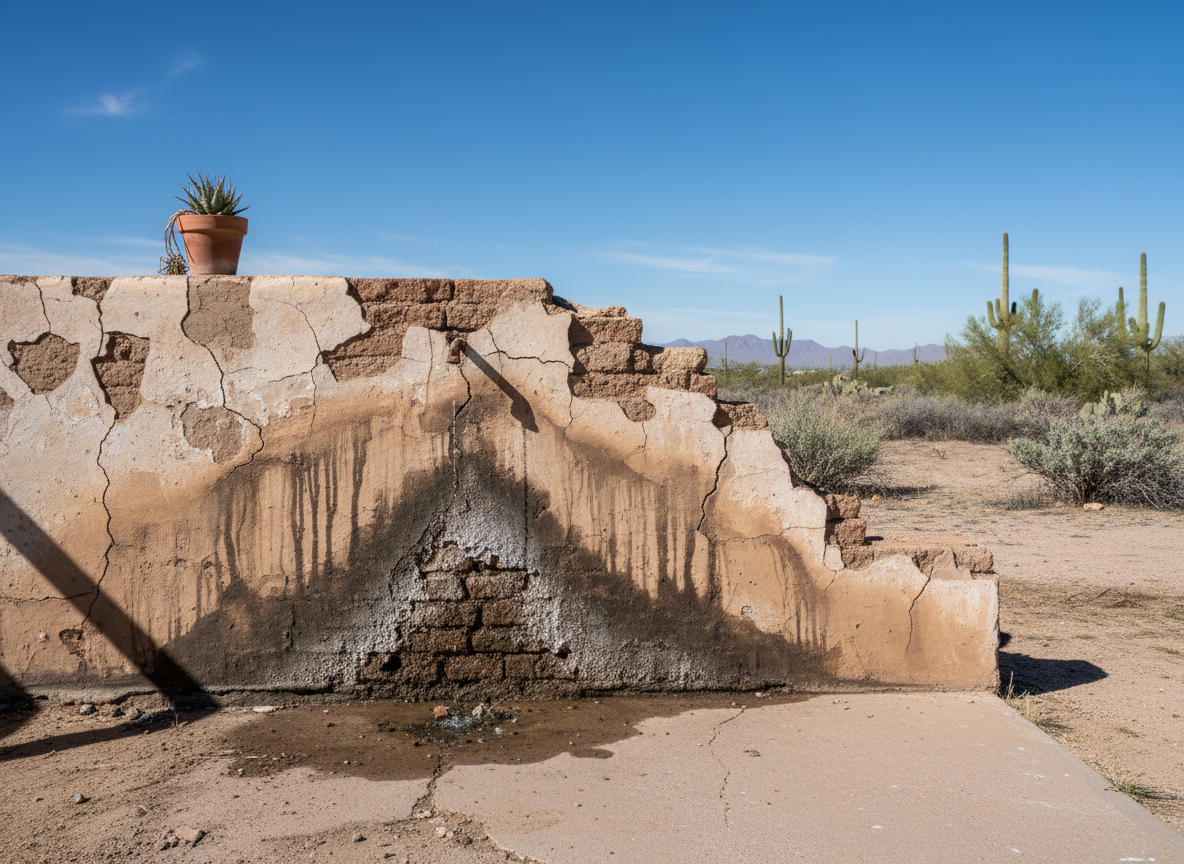
In Phoenix's hot desert climate, water damage in desert homes typically requires rapid extraction and dehumidification within 24-48 hours to avoid mold growth, even when outdoor humidity stays low. Extreme summer heat accelerates evaporation but can trap moisture in walls and slabs if not addressed promptly, especially in neighborhoods such as Arcadia and Biltmore where many homes date to the 1960s and 1970s with original plumbing.
Monsoon and Seasonal Flood Patterns
Phoenix receives most of its annual rainfall during July and August monsoons, which often overwhelm drainage in flat Maricopa County terrain and send water into yards and foundations. Homes in South Mountain and Maryvale see repeated issues when streets flood and water enters through low doorways or garage thresholds. Nearby cities like Scottsdale, Tempe, and Mesa share similar patterns, with runoff from Camelback Mountain adding pressure on lower-lying properties. Flood Damage Cleanup crews routinely address these events by focusing first on standing water removal before structural drying begins. Older irrigation systems common in Biltmore properties can also fail during heavy downpours, sending excess water toward slabs and crawl spaces.
Drying Challenges in Extreme Heat
Summer temperatures above 110 degrees create fast surface drying that hides moisture deeper in drywall, subfloors, and insulation. Technicians use moisture meters and thermal imaging to locate pockets that would otherwise lead to hidden mold in homes across Ahwatukee and Camelback East. Low ambient humidity helps overall but demands careful control of drying equipment to prevent over-drying wood framing and causing cracks. Properties near Papago Park and the Phoenix Zoo often sit on soil that retains water longer after storms, extending drying times by several days compared to higher-elevation lots. Structural Drying & Dehumidification protocols adjust for these conditions by running equipment longer in shaded or north-facing rooms.
Plumbing and Slab Issues in Local Housing Stock
Many homes built before 1990 in Arcadia, Biltmore, and Maryvale contain galvanized or polybutylene lines that corrode or crack under constant pressure from hard desert water. Slab leaks become more common when tree roots from desert landscaping seek moisture near foundations. Residents in these areas benefit from checking for warm floors or unexplained spikes in water bills before damage spreads. Sewage Backup Cleanup calls increase after monsoons when city lines surcharge in older sections of South Mountain. Cost Guide For Flood Damage Cleanup In The Phoenix Area outlines typical ranges for extraction and drying based on square footage and water category.
Preventing Recurring Problems
Maintaining proper grading around foundations and clearing debris from roof valleys reduces entry points during the next monsoon cycle. Homeowners in neighborhoods near the Salt River should monitor drainage after storms, as seasonal flows can back up into yards. Seasonal Flood Risks In Phoenix Neighborhoods Near The Salt River provides maps and timing details useful for scheduling annual inspections. Phoenix Restoration Pros operates from 4750 S 44th Pl Ste 120, Phoenix, AZ 85040 with hours Mon–Fri 8am–6pm and Sat 9am–2pm to respond when these local conditions create urgent needs.